



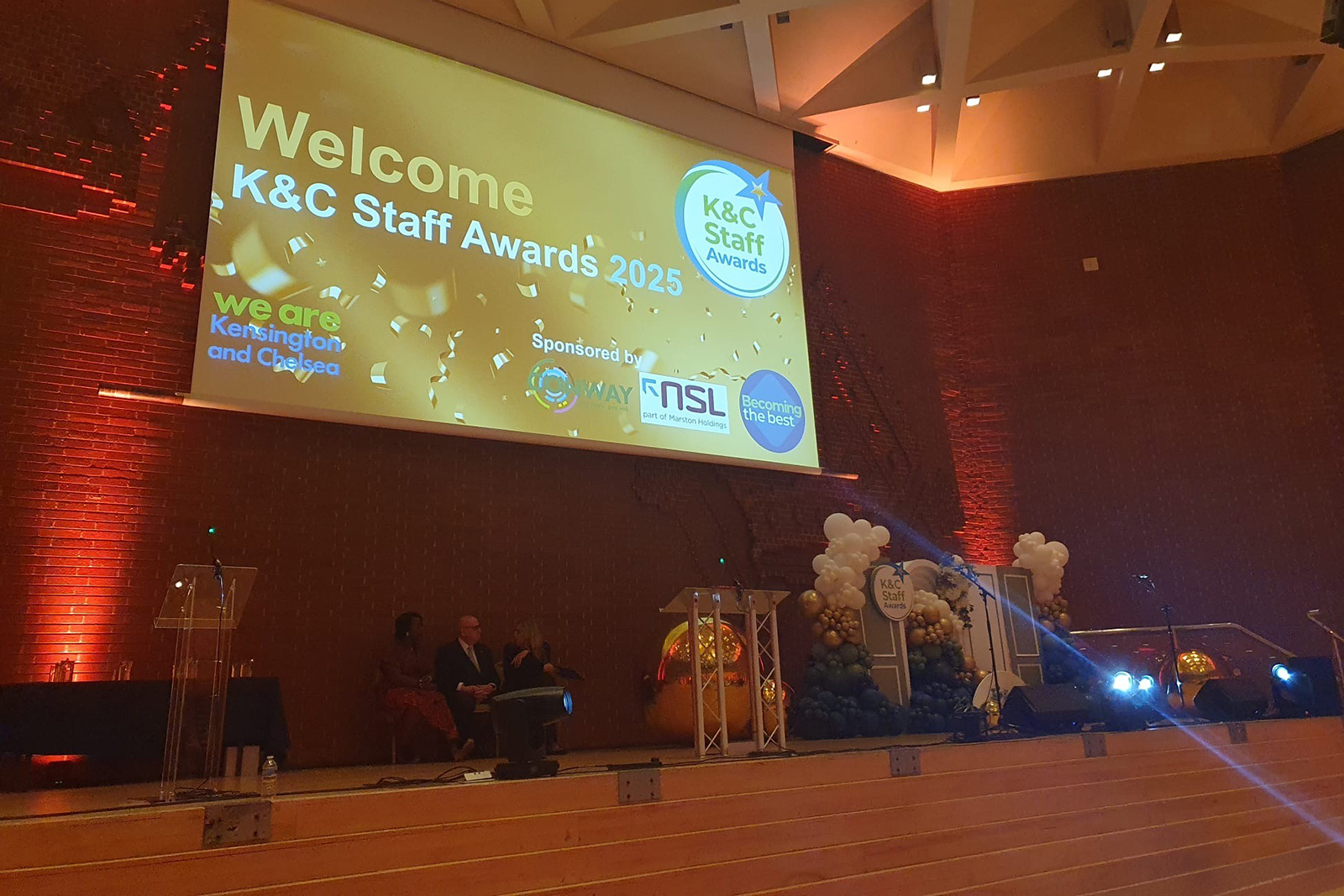
Ormiston Academies Trust has been awarded the Third-Party Award at the Royal Borough of Kensington and Chelsea’s annual Staff Awards, in recognition of its exceptional partnership with the Council in transforming education and support for children and young people with special educational needs and disabilities (SEND).
This award celebrates the Trust’s innovative work and strong leadership, which has delivered outstanding results and expanded specialist provision, creating new opportunities for students to flourish.
At Ormiston Latimer Academy, the Trust worked in partnership to open the Freston Junction resource base, a purpose-built provision offering tailored academic and pastoral support. This has already enabled students to achieve exceptional GCSE results.
Meanwhile, at Ormiston Kensington Queensmill Academy, which supports children with complex autism, Ormiston’s leadership has strengthened provision, improved financial stability, and enhanced the quality of education and care for the borough’s most vulnerable learners.
This award recognise the dedication and expertise of Ormiston’s staff, whose work in Kensington and Chelsea reflects the Trust’s wider commitment to inclusive education. By expanding specialist provision, securing high-quality outcomes and embedding long-term sustainability, the Trust has played a key role in supporting the borough’s ambition to deliver the best for children and young people with SEND.
Wasim Butt, National Director of AP and Special Academies at Ormiston Academies Trust, said: “We’re incredibly proud to receive this award, which highlights the dedicated and expertise of our staff across the borough. Their commitment to inclusive education and support for SEND pupils drives every decision we make, from expanding specialist provision to creating opportunities that help students reach their full potential. This recognition is a testament to what can be achieved when talented, passionate teams across schools and local authorities work together to transform lives and make a real difference in their communities”.